Work for a Panamanian company
An employment letter from a company registered in Panama, stating your position and salary, plus the work permit application filed with the Ministry of Labor (MITRADEL).
Panama residency · Países Amigos
If you are a citizen of one of 51 countries, including the United States, Canada and many European countries, you can live in Panama by showing one economic tie: a job with a Panamanian company, real estate worth at least US$200,000, or a US$200,000 fixed-term bank deposit.
You start with a two-year provisional residency and then apply for permanent residency.
You need two things: a passport from a Friendly Nation and one economic tie to Panama. Check your country in ten seconds.
 Andorra
 Argentina
 Australia
 Austria
 Belgium
 Brazil
 Canada
 Chile
 Costa Rica
 Croatia
 Cyprus
 Czech Republic
 Denmark
 Ecuador
 Estonia
 Finland
 France
 Germany
 Greece
 Hong Kong (SAR of China)
 Hungary
 Ireland
 Israel
 Japan
 Latvia
 Liechtenstein
 Lithuania
 Luxembourg
 Malta
 Mexico
 Monaco
 Montenegro
 Netherlands
 New Zealand
 Norway
 Paraguay
 Peru
 Poland
 Portugal
 San Marino
 Serbia
 Singapore
 Slovakia
 South Africa
 South Korea
 Spain
 Sweden
 Switzerland
 United Kingdom
 United States
 Uruguay
The Friendly Nations Visa is the common English name for a Panamanian permanent residency created for nationals of countries that keep friendly, professional and economic relations with Panama. In Spanish it is called Países Amigos, and on Immigration’s forms it appears as Residente Permanente en calidad de extranjeros nacionales de países específicos.
It is not a tourist visa and it is not a work permit. It is a residency: it lets you live in Panama, come and go, and later apply for permanent status. You start with a two-year provisional residency and, after those two years, you apply for permanent residency with almost the same documents.
The program rests on Executive Decree 416 of 2012, as amended by Executive Decrees 197 and 226 of 2021. The current list of countries was rewritten by Executive Decree 16 of August 31, 2026, which added Ecuador and took effect on September 1, 2026.
Source: Executive Decree 416 of 2012, as amended by Executive Decrees 197 and 226 of 2021; Executive Decree 16 of 2026 (Official Gazette 30601-B)
You qualify if you are a national of one of the 51 countries on the list and you can show one economic tie with Panama. If you hold two nationalities, you apply as a national of the listed country, with that passport.
In the Americas the list includes the United States, Canada, Mexico, Costa Rica, Argentina, Brazil, Chile, Ecuador, Paraguay, Peru and Uruguay. In Europe it includes the United Kingdom, Ireland, Spain, Portugal, France, Germany, the Netherlands, Belgium, Luxembourg, Switzerland, Austria, Denmark, Finland, Norway, Sweden, Greece, Cyprus, Malta, Poland, the Czech Republic, Slovakia, Hungary, Croatia, Serbia, Montenegro, Estonia, Latvia, Lithuania, Andorra, Liechtenstein, Monaco and San Marino. Outside Europe and the Americas it covers Australia, New Zealand, Japan, South Korea, Singapore, Hong Kong, Israel and South Africa.
Some countries you might expect are not on the list. Italy is not; Italian citizens have their own route under the treaty between Panama and Italy. If your country is not listed, other residencies do not depend on nationality, such as the Pensionado visa for people with a lifetime pension.
Source: Executive Decree 16 of 2026, article 1 (Official Gazette 30601-B)
Being on the list is not enough on its own. You also prove one economic tie with Panama, and Immigration accepts three. All three lead to the same residency; the difference is what you commit: your work, your property or your savings.
The residency does not replace a work permit. Even if you qualify through property or a deposit, working in Panama has its own rules, and some professions are reserved to Panamanian nationals.
Source: National Immigration Service, requirements sheet PPT-PE (routes a, b and c); Executive Decree 226 of 2021
Every applicant files the same eight personal documents: a notarized power of attorney in favor of your Panamanian lawyer, three passport-size photos, a full copy of your passport certified by a notary, a criminal background certificate from your country of origin or residence, a health certificate, the two certified checks and Immigration’s sworn statement of personal background.
Order matters. Documents issued abroad are apostilled in the country that issued them and translated into Spanish afterwards, in Panama. Only the health certificate has a validity set by law: it is issued within the three months before you file, so it is the last document you get. For the criminal record, Immigration in practice counts about six months from the date of the apostille, not from your fingerprints.
Source: National Immigration Service, requirements sheet PPT-PE; Decree-Law 3 of 2008, article 28
Your spouse and your children can be included as dependents. According to the Immigration sheet, children aged 18 to 24 must be full-time students and single. To support dependents you show income of at least B/. 1,000 a month plus B/. 100 per dependent, through your tax return with its tax clearance, or a current employment letter with pay stub and Social Security record.
Each dependent files proof of the family tie, such as a marriage or birth certificate, and a letter of responsibility from the main applicant. Dependents have their own government fees, which we list in your written quote.
Source: National Immigration Service, requirements sheet PPT-PE, items 1.1 to 1.4
At filing, the main applicant pays two certified checks: B/. 250 to the National Treasury and B/. 800 to the National Immigration Service. The B/. 800 is a repatriation deposit, a guarantee and not a fee, and it can be refunded in certain cases. The balboa is at par with the US dollar.
Immigration’s fee table also lists a processing card issued when you file, fingerprint filing and foreigner registration, and the provisional residency card, which we confirm before you pay. Around the file there are third-party costs in your home country, such as apostilles, translations and certificates. For every fee we pay on your behalf, you receive an invoice or the official receipt.
| Item | Amount | Paid to |
|---|---|---|
| Application fee | B/. 250 | National Treasury |
| Repatriation deposit (a guarantee) | B/. 800 | National Immigration Service |
| Processing card | B/. 30 | National Immigration Service |
| Fingerprint filing and foreigner registration | B/. 10 | National Immigration Service |
| Provisional residency card | B/. 50 | National Immigration Service |
Source: National Immigration Service, requirements sheet PPT-PE, items 6 and 7; Decree-Law 3 of 2008, article 28; Executive Decree 320 of 2008, article 315
Most of the work happens before you travel. We confirm that your country is on the list and choose your route; you gather, apostille and translate your documents at home, usually in two to six weeks depending on your country; and you secure your economic tie by signing the job, registering the property or opening the deposit.
Then you come to Panama. Your lawyer files the application with the National Immigration Service, and you register in person, normally once. By law, Immigration has up to 60 business days to decide. If something is missing, it gives you 15 business days to complete the file, so we only file once every document is ready. When you file, Immigration issues a processing card valid for six months.
Source: Decree-Law 3 of 2008, articles 28 and 34; Executive Decree 320 of 2008, article 16
Most visitors may stay up to 90 days per entry, and the number of days stamped in your passport when you arrive is what counts. A visitor can ask Immigration for a change of category, such as this residency, during the authorized stay. If a document is not ready in time, your lawyer can ask for up to 60 more days at least 10 working days before your stay ends.
While the application is in process, you need a multiple entry and exit visa to leave Panama and come back. No rule we found lets a short trip out of the country reset your stay, so we plan the dates with you from the start.
Source: Decree-Law 3 of 2008, articles 14, 16 and 17; Executive Decree 320 of 2008, articles 23 to 25, 238, 239 and 264
Your provisional residency lasts two years. During that time you keep your economic tie: the job, the property or the deposit. When the two years are complete, you apply for permanent residency with the same requirements, except the criminal background certificate and the check, and Immigration issues a new card.
Once you are a permanent resident, do not stay away too long. Immigration may cancel a permanent residency after more than two years outside Panama without a justified and authorized absence. Permanent residency is also the first step toward Panamanian citizenship by naturalization, which requires five consecutive years of residency.
Source: National Immigration Service, requirements sheet PPT-PE; Decree-Law 3 of 2008, article 31(3); Constitution of the Republic of Panama, article 10
Applications are filed by a licensed Panamanian attorney under your power of attorney, so you never deal with Immigration alone. We sign a written contract with you before we start, with the services, the fixed fee and what is not included. For every government fee and third-party cost we pay for you, you receive an invoice or the official receipt.
Every consultation and update is in English, by email or WhatsApp, and we reply within one business day. Every rule on this site is checked against the official sheet and the decrees behind it, and each page shows the date it was last verified.
Source: Decree-Law 3 of 2008, article 28
Immigration accepts three routes. You need only one of them, and you choose the one that fits your plans.
An employment letter from a company registered in Panama, stating your position and salary, plus the work permit application filed with the Ministry of Labor (MITRADEL).
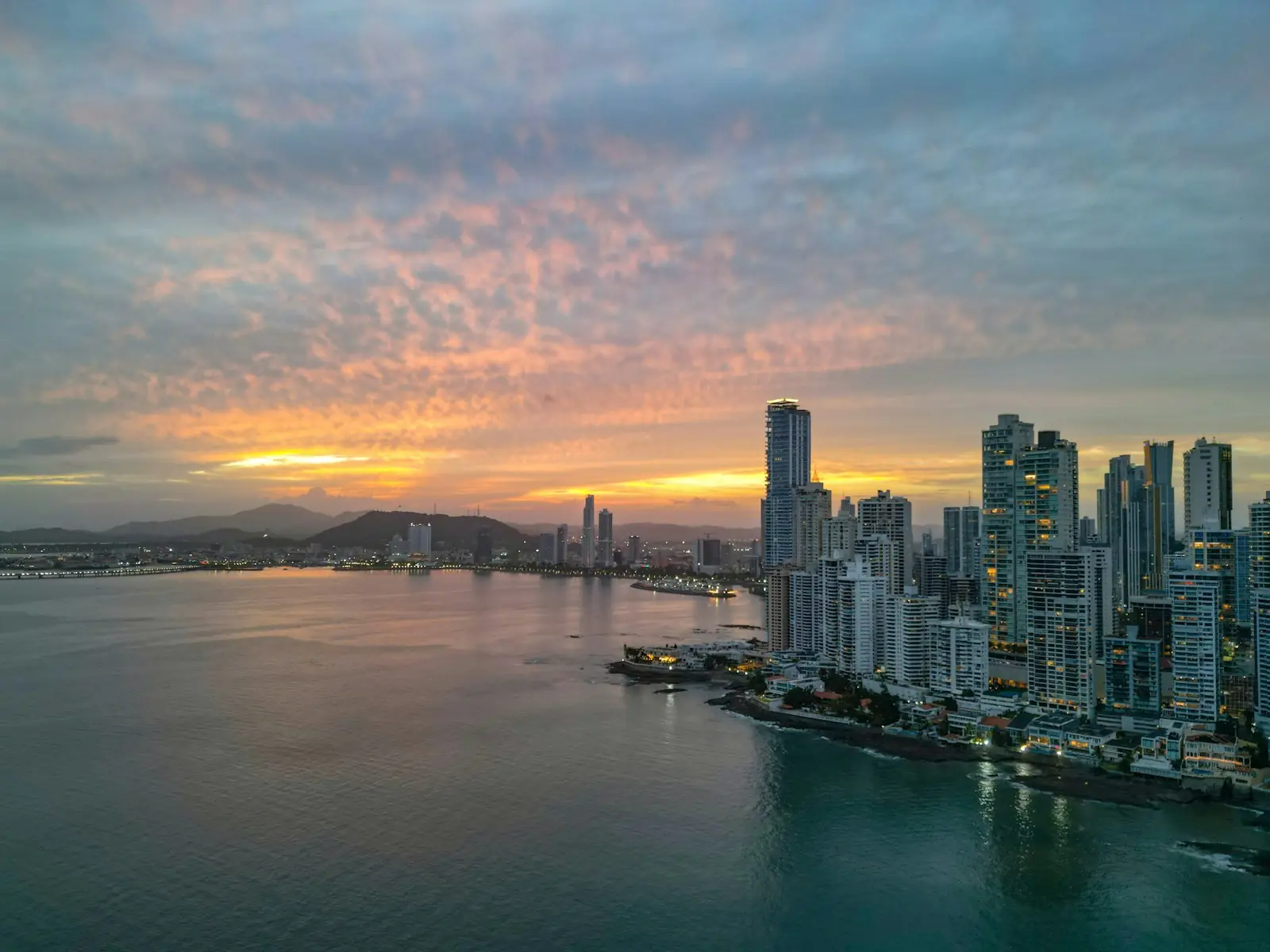
Property in Panama worth at least US$200,000, in your own name or held through a company or private interest foundation you ultimately own. Local bank financing is allowed.
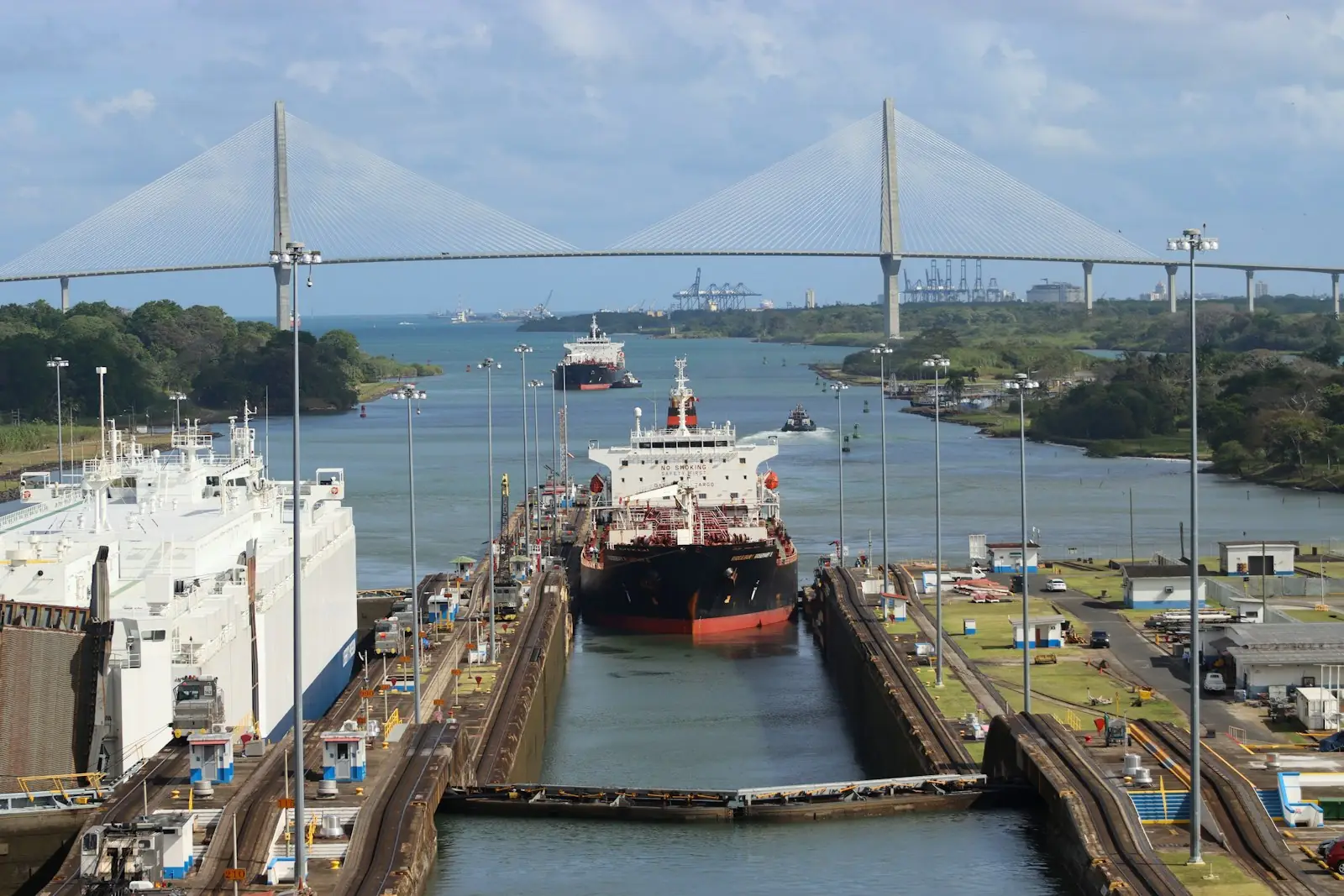
A US$200,000 fixed-term deposit for three years, free of liens, at a bank with a general license in Panama, in your name or through a company or foundation you ultimately own.
Two years of provisional residency, then permanent residency. No need to re-qualify under a different program.
Your spouse and dependent children can be included as dependents in your application.
Permanent residents can, over time, apply for Panamanian nationality by naturalization.
Search the official list of 51 countries and see what to do if yours is not on it.
Every document Immigration asks for, route by route, with what needs an apostille.
The Treasury fee, the repatriation deposit, and the third-party costs to budget for.
From your first call to permanent residency, including your stay in Panama while you apply.
Family, work, travel during the application and the Spanish terms you will see.
Official sources · October 26, 2026
Book a free 15-minute call. We will confirm your eligibility and the route that fits you best.
We reply on WhatsApp
Choose how you’d like to reach us:
Or email usPanama time · Mon–Fri 9–17 · Sat 9–12